

Off-plan
You agree to buy before the building is finished, usually paying a deposit now and the rest at completion.
- Worth considering
- Completion can take months or years; build delays, design changes and the value at completion are real risks.

For investors
The words you’ll hear, the costs to plan for, and the risks to weigh — in plain language, before you talk to anyone selling.
The basics
Buy-to-let simply means buying a home to rent out to tenants, rather than to live in yourself.
People usually look at two things: the rent the property might bring in after costs, and how its value might change over many years. Neither is guaranteed. Rents can fall, properties can sit empty, and values can go down as well as up.
For most investors it is a long-term commitment. Money in property is not easy to access quickly, and selling can take months.
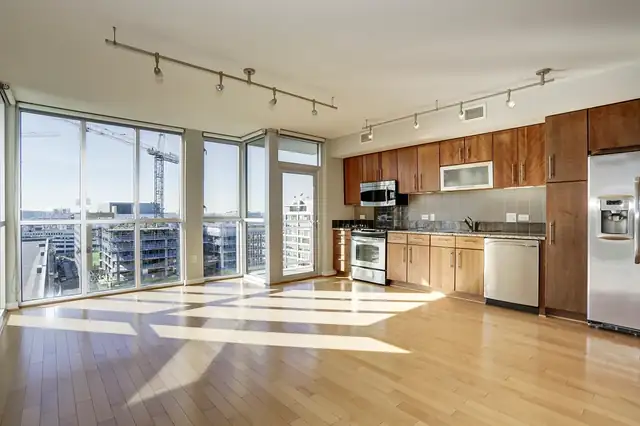
Understand the property, the costs and the risks — first.
Before anyone talks about a specific flat, you should know how it all works.
Types of purchase
Many overseas investors are offered new or off-plan homes. Here is the difference in one line each.
You agree to buy before the building is finished, usually paying a deposit now and the rest at completion.
A newly completed home bought from the developer, often with a new-home warranty.
An existing home bought from its current owner, sometimes with tenants already in place.
Ownership
In England and Wales, how you own a property matters as much as what you own.
You own the building and the land it stands on, with no end date. Most houses are freehold.
You own the right to use the property for a fixed number of years under a lease. Most flats are leasehold, with ground rent and service charges payable to the freeholder or managing agent.
Your solicitor should check the lease length, ground rent, service charges and any restrictions on letting before you commit. Leasehold rules are being reformed, so ask what currently applies.
Costs
The price of the property is only part of the picture. These are the usual cost headings — your solicitor and tax adviser will confirm the actual amounts for you.
We deliberately don’t quote rates or figures here: they change, and they depend on your situation. Always get current numbers from a qualified professional.
Buying from overseas
Generally, yes — many people outside the UK own property in England and Wales. A few things work differently.
This is general information, not advice. Please read our important information and speak to a solicitor and tax adviser about your own situation.
Hands-off ownership
Most overseas owners pay a letting or management agent to handle the day-to-day work.
Fees and service levels vary between agents and developments — the sales specialist can explain what is offered with a particular property. We don’t manage property ourselves.
Risks
Any honest conversation about property includes these. Please weigh them before you commit.
Property values can fall as well as rise. You could get back less than you paid.
Tenants leave, rents change and properties can stand empty.
Selling can take months, and you may not get the price you want.
Building work can be delayed or changed, and developers can run into difficulty.
If you think in RMB, HKD or SGD, exchange rates affect what you pay and what you get back.
UK and local tax, lending and letting rules can change during your ownership.
Important: this is general information, not financial advice and not a personal recommendation. Property values can fall as well as rise. We are not authorised by the FCA. Read the full important information.

Start the conversation
Tell us what you are looking for. We’ll explain the basics and, if it makes sense, introduce you to a professional UK property sales team — in English or 普通话.
This is not financial advice and not a personal recommendation.